Part No. Mobile Robotics Lab
Quanser Mobile Robotics Lab is a turnkey solution with QBot robots, advanced sensors, and NVIDIA GPUs for education, research, and project-based robotics learning.
Mobile Robotics Lab
Turnkey Solution for Advancing Education, Research, and Project-based Learning in Mobile Robotics
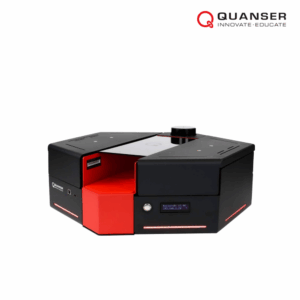
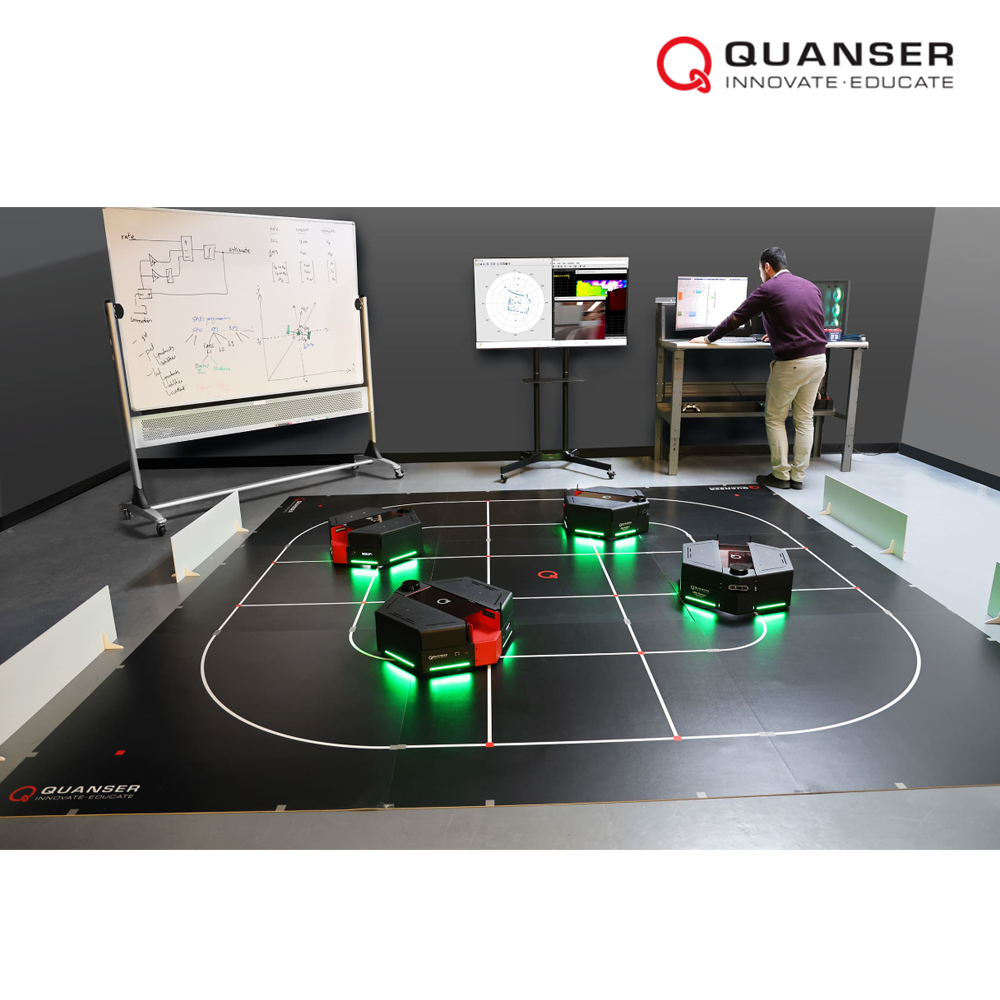
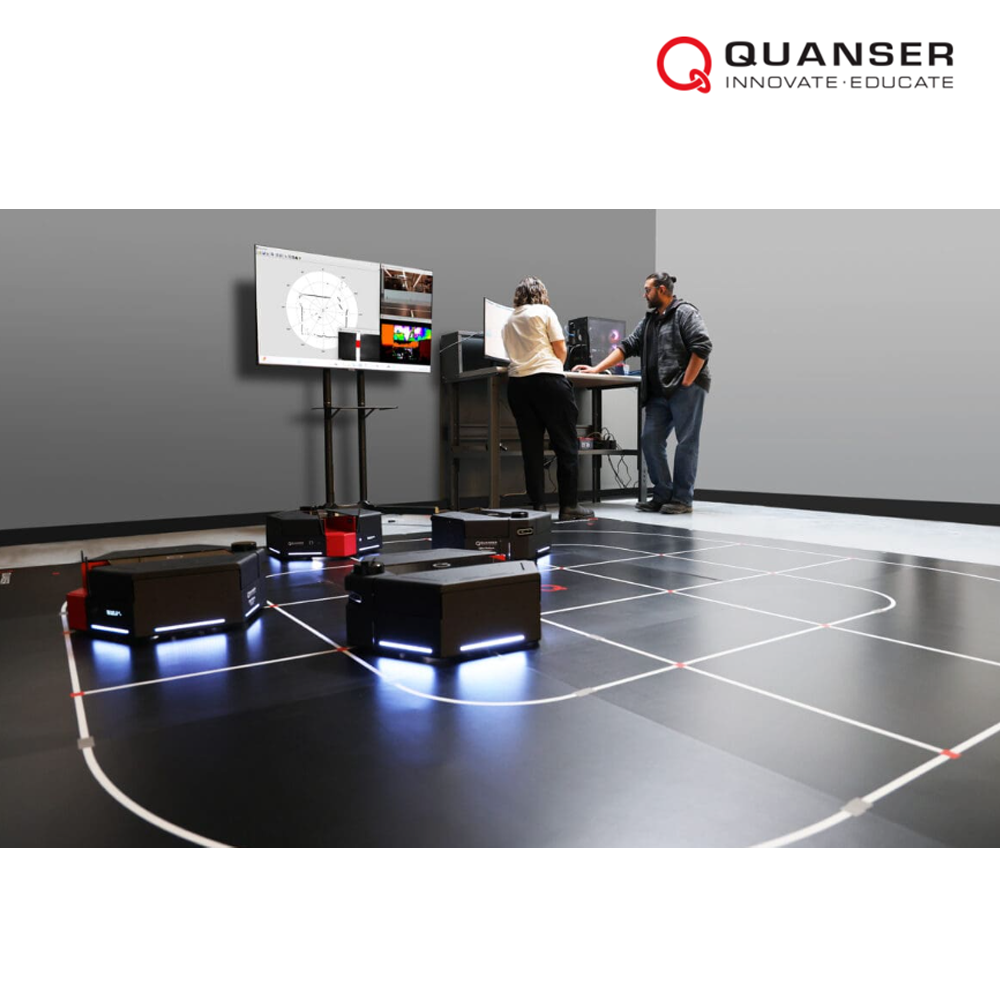
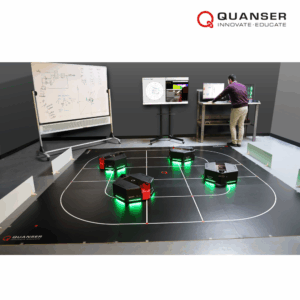
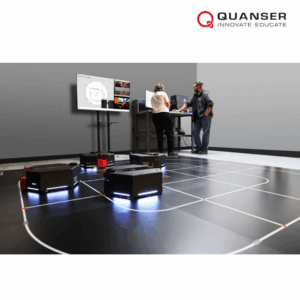
The Quanser Mobile Robotics Lab offers a turnkey solution for institutions that are looking to build or upgrade their mobile robotics capacity. The lab offers a comprehensive, ready-to-deploy ecosystem equipped with four innovative QBot Platform mobile robots featuring advanced sensors and high-powered NVIDIA GPUs. Complete with ready-to-use courseware and research examples, the lab stands as a full package to cultivate industry-relevant skills and encourage multidisciplinary teamwork.
The Quanser Mobile Robotics Lab is designed to make the leap from classroom theory to real-world robotics a reality. At the core of this lab are four QBot Platforms, equipped with top-notch sensors like LiDAR and an Intel RealSense RGB-D camera, complimented by an NVIDIA Jetson Orin Nano. This setup lets students and researchers explore everything from basic robotics to the frontiers of applied AI and multiagent systems. It comes fully supported by course-ready curriculum and project-based learning materials.
Leveraging the powerful digital twin of the laboratory, students can safely explore and develop algorithms in a simulated environment that is an ideal twin of the real-world lab. Combining digital and real-world learning with progressive pedagogical approaches supported by the lab can create a collaborative and motivational learning environment. In addition, students can undertake projects that mirror real-world scenarios, facilitating a deep understanding of how mobile robots are used and building toward a portfolio of skills that can be leveraged to demonstrate industry readiness both for industrial roles and in future academic research. To promote further flexibility, teaching material, and research examples  with leading programming tools like Python, MATLAB Simulink, C++, and ROS 2Overall, the Mobile Robotics Lab transcends conventional educational lab offerings by merging rigorous academic research with practical teaching, shaping engineers ready to spearhead future advancements in mobile robotics both academically and industrially.
Innovative QBot Platform:
Central to the Quanser Mobile Robotics Lab are four advanced QBot Platforms, each boasting a comprehensive sensor suite, including LiDAR and an Intel RealSense camera, combined with the powerful NVIDIA Jetson Orin Nano. This setup enables detailed activities around the fundamentals of localization, path planning, and navigation extending into obstacle avoidance, and applications of multiagent systems and applied AI.
Comprehensive Turn-Key Solution with Educational Courseware:
A complete package, the lab includes tailored courseware in Python and MATLAB Simulink with practical research examples to give academics a head-start in the implementation of their research applications. This ensures a seamless bridge between theoretical knowledge and real-world application, as well as resources that complement progressive approaches to pedagogy including project-based learning and hybrid teaching.
Versatile Development Support & Open Architecture:
Offering unparalleled development flexibility across ROS, Python, MATLAB Simulink, and C++, the lab allows for the use of several programming environments. Its open architecture further enables unparalleled access to the core operation of the lab systems and QBot Platforms align the operation of the lab systems to far-reaching educational and research objectives.
High-Fidelity Digital Twin for Advanced Learning:
With high-fidelity digital twins available, students and researchers can design, test, and refine their robotics applications in a risk-free environment. This enhances learning and experimentation, ensuring concepts are fully understood before physical implementation.
âĒ 4 x QBot Platforms
âĒ 1 x Template map (4âē x 4âē)
âĒ 1 x Reconfigurable environment (12âē x 12âē)
âĒ 8 x Batteries
âĒ 4 x Battery chargers and charge cables
âĒ 4 x Game controllers
âĒ 1 x Router
âĒ 1 x Pre-configured ground station PC
âĒ 1 Year Subscription to QLabs Virtual QBot Platform
âĒ QUARC lab license
âĒ Intro to Mobile Robotics content
âĒ Self-localization and state estimation
âĒ Autonomous Mobile Robots (AMRs)
âĒ Multi-agent collaboration & swarming
âĒ Simultaneous Localization & Mapping
âĒ Applied AI & Machine Learning
âĒ Path Planning & Navigation
âĒ Patrolling & Surveying
âĒ Behavior architectures & decision making
âĒ Sensors & Actuators Interfacing
âĒ Forward/Inverse Differential Kinematics
âĒ Image/Lidar Acquisition, Calibration & Processing
âĒ Obstacle Detection
âĒ Self Localization & State Estimation
âĒ Path Planning & Navigation
âĒ Task Queue Generation & Execution
âĒ Multi-agent Task Distribution and Collaboration

Quanser Mechatronic Sensors Trainer is a hands-on platform for teaching sensor technologies and measurement systems in mechatronics education.
Quanser Introduction to Robotics Teaching Lab is a plug-and-play robotics platform with hardware, software, and digital twins for hands-on engineering education.
Quanser QDrone 2 quadrotor combines NVIDIA Jetson Xavier NX processing, multiple cameras, and a carbon fiber frame for real-time vision and AI research.
āļĢāļāļĒāļāļāđāļāļāļēāļāđāļĨāđāļāļāļĢāđāļāļĄāđāļāđāļāđāļāļāļĢāđāļāļĢāļ āđāļāđāļ LiDAR, āļāļĨāđāļāļ, IMU āđāļĨāļ°āļāļĢāļ°āļĄāļ§āļĨāļāļĨāļāđāļ§āļĒ NVIDIAÂŪ JetsonâĒ Nano āļĢāļāļāļĢāļąāļ ROS āđāļĨāļ° MATLAB/Simulink āļŠāļ āļēāļāđāļ§āļāļĨāđāļāļĄāļāļģāļĨāļāļāļŠāļģāļŦāļĢāļąāļāļāļēāļĢāļāļāļĨāļāļāđāļŠāļĄāļ·āļāļāļāļĢāļīāļ
āļāļĢāļīāļĐāļąāļ āđāļāđāļāđāļāļ āļāļīāļāļāļąāļŠāđāļāļĢāļĩāļĒāļĨ āđāļāļĨāļđāļāļąāđāļ āļāļģāļāļąāļ
āļāļĢāļļāļāļēāļĢāļ°āļāļļāļāļģāļāļ§āļāļŠāļīāļāļāđāļēāļāļĩāđāļāļļāļāļāđāļāļāļāļēāļĢ āđāļĨāđāļ§āļāļāļāļļāđāļĄāļāđāļēāļāļĨāđāļēāļ
āļāļģāļāļ§āļ
āļāļĢāļļāļāļēāļāļģāļāļēāļĢāļĨāļāļāļ°āđāļāļĩāļĒāļāđāļāļ·āđāļāđāļāđāļāļŠāļĄāļēāļāļīāļ āđāļāļĒāļŠāļĄāļēāļāļīāļāļŠāļēāļĄāļēāļĢāļāļāļēāļ§āļāđāđāļŦāļĨāļāļāļđāđāļĄāļ·āļāļāļēāļĢāđāļāđāļāļēāļ
āļĢāļ§āļĄāļāļķāļāđāļāđāļĢāļąāļāļāļ§āļēāļĄāļŠāļ°āļāļ§āļāļŠāļāļēāļĒāđāļāļāļēāļĢāļāļāđāļāđāļŠāļāļāļĢāļēāļāļē